Silent Families  /  Family Profiles  /  Quandt
Category I  ·  Industrial Dynasty  ·  Active Heirs

The Quandt
Family

Founder: Günther Quandt  ·  BMW  ·  AFA Battery Works

€36bn+
Combined net worth
Stefan Quandt & Susanne Klatten, 2024
50,000
Documented forced & slave labourers
across Quandt operations, 1939–45
12
Armaments factories
operated during the Third Reich
€0
Voluntary restitution paid
beyond statutory legal minimum

Analysis by Dr Tina Hess

The inheritance
they accepted

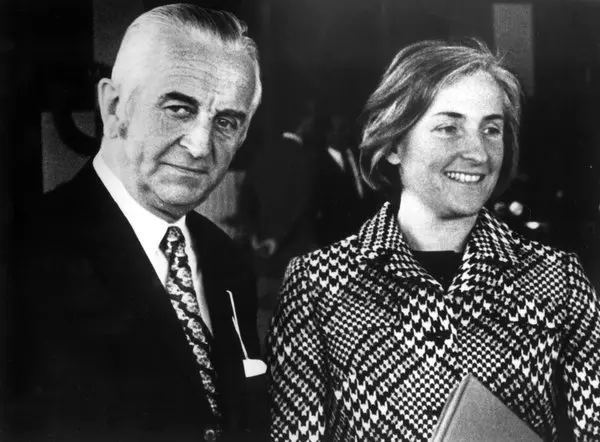
The Quandt family's wealth is one of Germany's most carefully maintained silences. When the Allied occupation courts closed their proceedings in the early 1950s, Günther Quandt — industrialist, NSDAP member, and the man whose factories had consumed the labour of more than fifty thousand concentration camp prisoners and forced workers — walked free without criminal conviction. He died in 1954 one of Germany's wealthiest men. What he left behind was not merely a fortune. It was an infrastructure of silence that his heirs have maintained, with remarkable discipline, for eight decades.
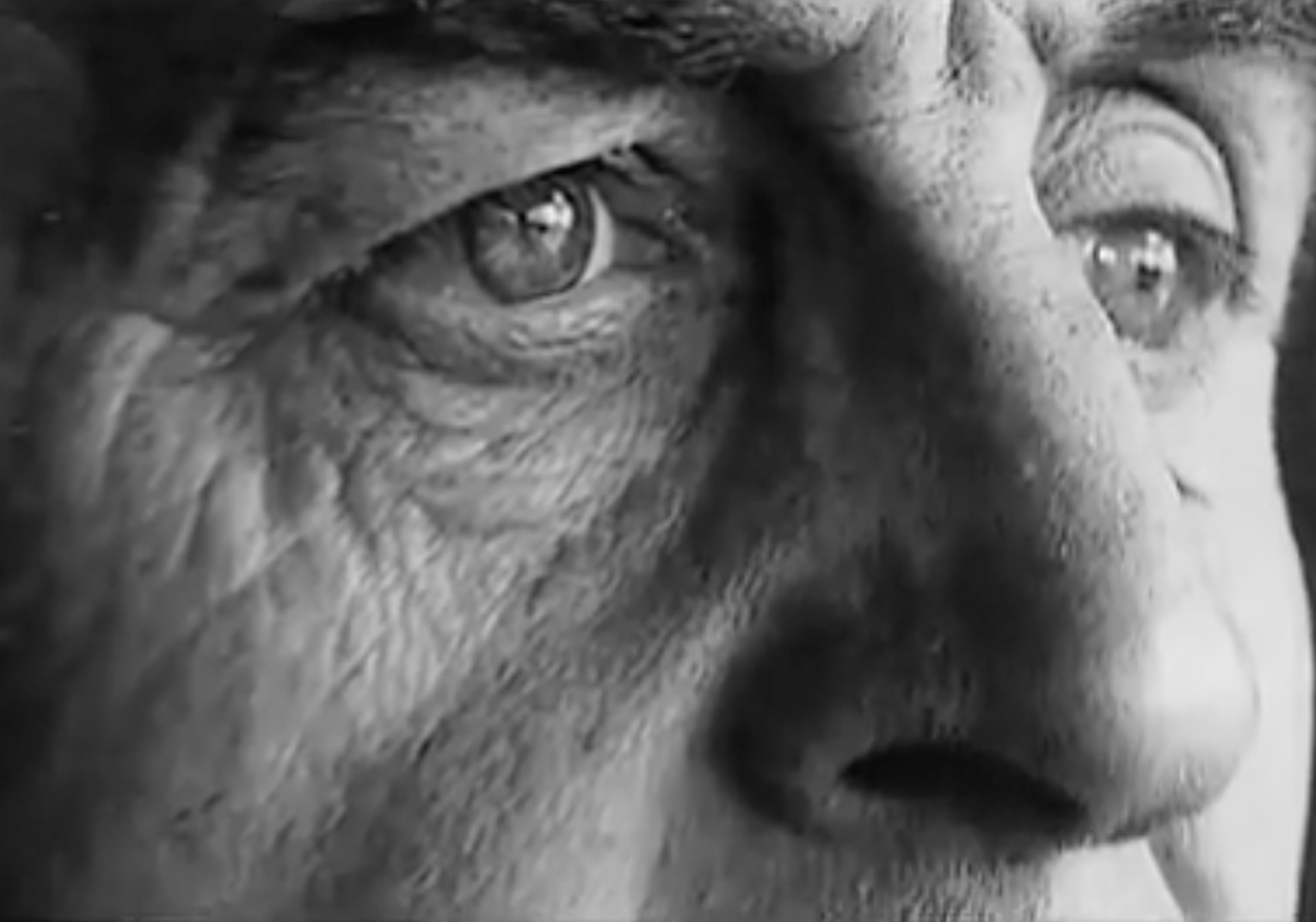
Quandt wartime archive

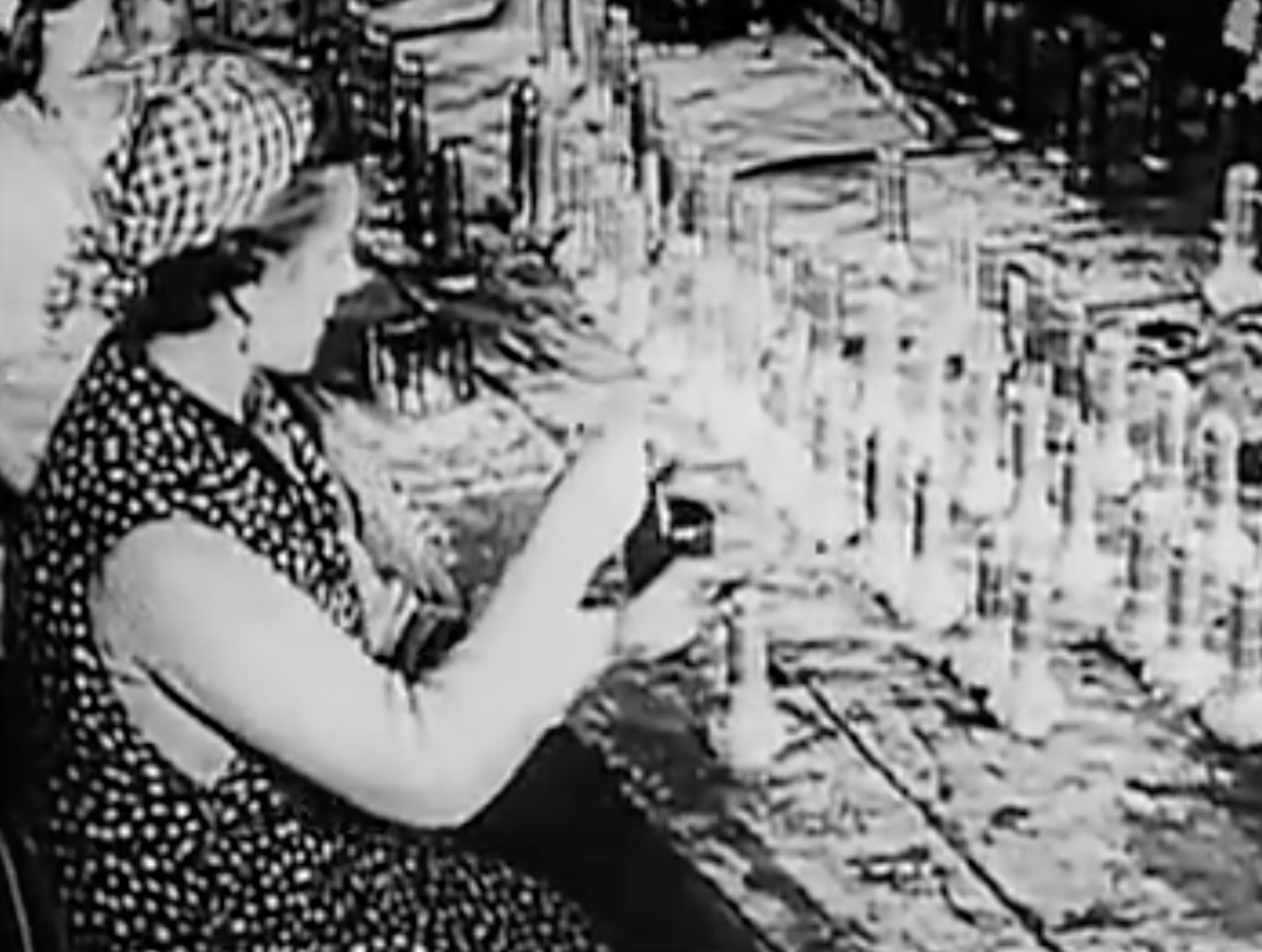
The core of the Quandt wartime operation was the AFA — the Accumulatoren-Fabrik AG — a battery manufacturer whose Hannover plant became one of the most heavily documented sites of forced labour exploitation in the German industrial economy. AFA supplied batteries for the German military's U-boats, tanks, and ground vehicles. The demand was insatiable, and so was the supply of labour. Workers were drawn from the concentration camp system — primarily from Neuengamme and its satellite camps — housed in conditions that survivors described as deliberately punishing, fed on starvation rations, and replaced when they could no longer work. The system was not incidental to AFA's wartime profitability. It was central to it.

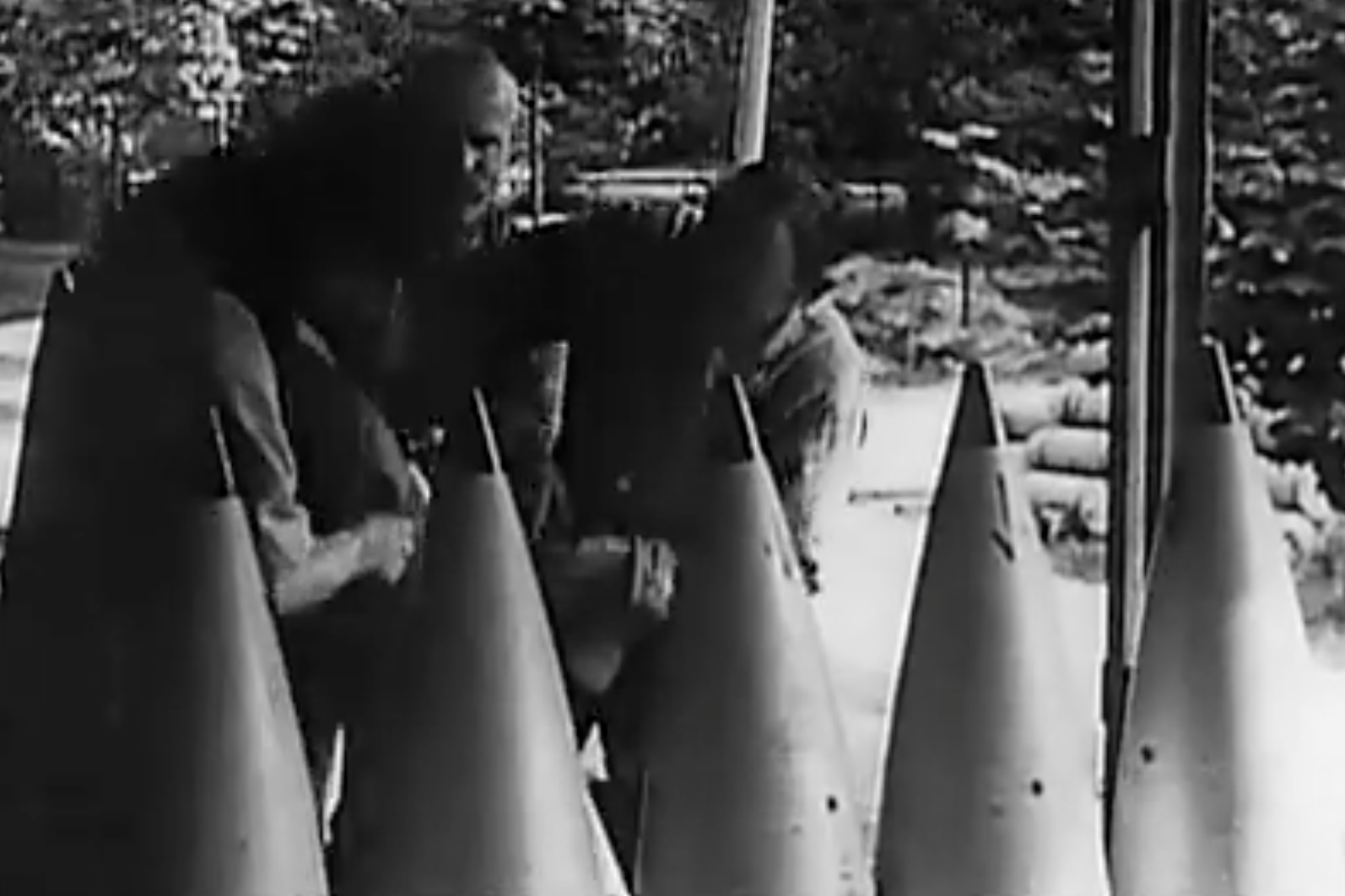
Across the Quandt group as a whole, the documented figure stands at over 50,000 forced and slave labourers deployed between 1939 and 1945, spread across twelve armaments factories. These were not peripheral operations. They were the engine of one of Germany's most profitable industrial empires during the Third Reich — an empire that produced batteries for submarines, components for tanks, and munitions for a war of conquest and extermination. Günther Quandt was not a passive beneficiary of the Nazi economy. He was an active and willing participant in it.
Quandt factory wartime

What makes the Quandt case distinctive within this investigation is not the scale of the wartime exploitation — though that scale was extraordinary — but the seamlessness of the transition from wartime profit to post-war wealth. Herbert Quandt, Günther's son, did not distance himself from his father's fortune. He deployed it. In 1959, with BMW facing bankruptcy and its board considering selling the company for parts, Herbert Quandt made the decision to invest his personal capital in the struggling automaker. That capital — traceable in a direct line back to the profits of the AFA battery works and the twelve Quandt armaments factories of the war years — became the foundation of what is now a combined €36 billion family stake in one of the world's most recognised luxury automotive brands. The wartime money did not disappear. It became BMW.

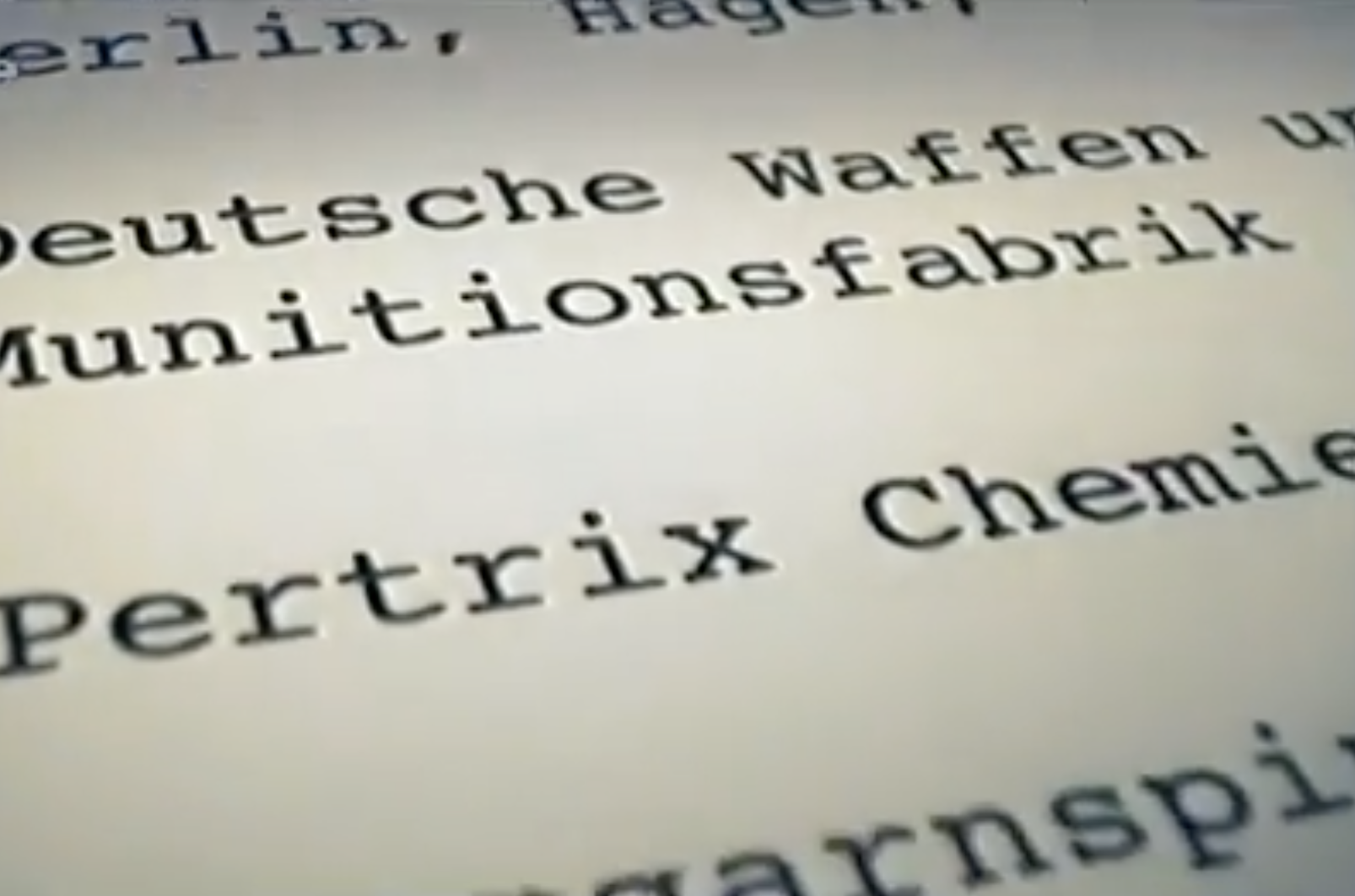
The 2007 ARD documentary The Silence of the Quandts, directed by Eric Friedler, was the first time many Germans encountered the full extent of the family's wartime activities. The documentary drew on survivor testimony and archival records to document the AFA forced labour programme in a detail that the family had never publicly acknowledged. Its broadcast created sufficient public pressure that the family commissioned an independent historical review — published in 2011 under Professor Joachim Scholtyseck of the University of Bonn. That history acknowledged the use of forced labour. It was also criticised by independent historians for the conditions under which it was produced: the family controlled access to their personal and corporate archives, limiting the scope of what could be examined. No voluntary restitution accompanied its publication.
Quandt archive document

Stefan Quandt and Susanne Klatten — the current heirs — have never made a personal public statement on the wartime origins of their fortune. They have not spoken about the fifty thousand men and women whose labour built the capital that BMW was rescued with. They have not addressed the question of restitution beyond the minimum required by the German Foundation "Remembrance, Responsibility and Future" — the statutory scheme established collectively, and paid into by hundreds of German companies, that allowed individual corporations to avoid making specific accounting for their own wartime profits. They do not give interviews on the subject. The silence, inherited from their grandfather, has proved as durable as the wealth.
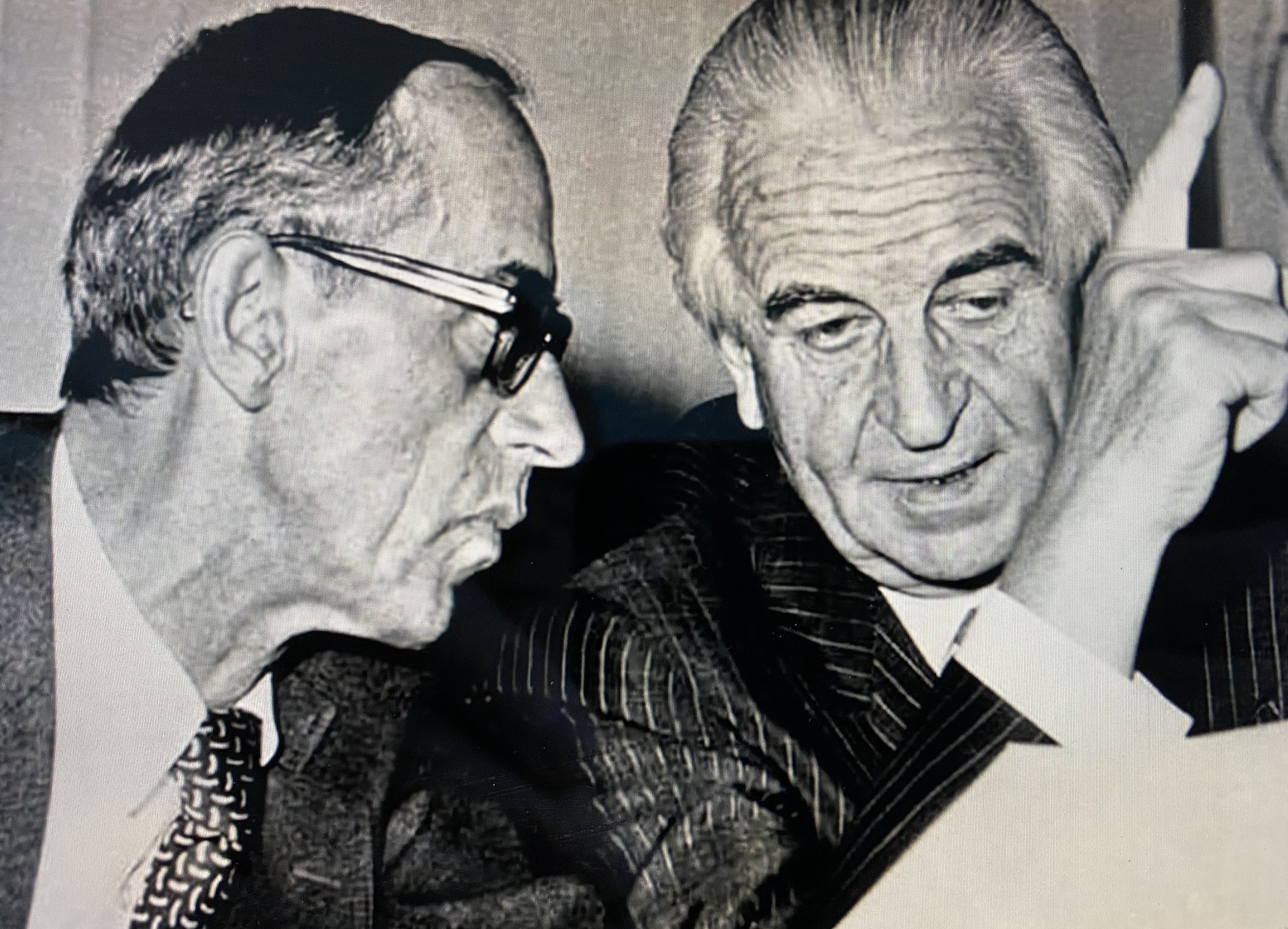
Dr Hess's Assessment

"The Quandts did not merely inherit a fortune built on forced labour. They inherited a method — of silence, of managed disclosure, of commissioning just enough history to satisfy public pressure without ever truly answering for it. That method is still working."

Founding company AFA (Accumulatoren-Fabrik AG) · Later Varta
Primary wartime profit source Forced & slave labour · SS battery contracts · Armaments manufacturing
Post-war reckoning Privately commissioned history (2011) · No voluntary restitution
Current corporate control BMW Group — controlling stake retained across three generations
Archives status Corporate & family archives restricted to independent researchers
Investigation status Active — ongoing research

Wartime Activity

A documented
timeline

1881 Birth
Günther Quandt Born

Born in Pritzwalk, Brandenburg. Son of a textile manufacturer, he inherited and expanded the family business before diversifying aggressively into batteries, munitions, and armaments.

1921 Acquisition
Acquires AFA — the Accumulatoren-Fabrik AG

Quandt takes a controlling stake in AFA, Germany's leading battery manufacturer. The company becomes the cornerstone of his industrial empire and the primary vehicle for wartime forced labour exploitation.

Pre-war acquisition
1933 Third Reich
Nazi Rearmament Contracts Begin

As Hitler consolidates power, Quandt's factories begin receiving priority rearmament contracts. AFA supplies batteries for German U-boats, tanks, and military vehicles. The Quandt industrial empire expands rapidly under the Nazi economic programme.

Wartime profiteering begins
1938 SS Contracts
SS Uniform Contracts and Expanded Military Production

Quandt factories supply the SS with batteries and components. His ex-wife Magda Quandt has by this point married Joseph Goebbels, Hitler's chief propagandist — giving the Quandt name direct social proximity to the Nazi leadership. Günther Quandt joins the NSDAP.

Direct SS contracts
1940 Forced Labour
Forced Labour Programme Begins at AFA Hannover

The AFA battery works at Hannover begins drawing workers from the concentration camp system, initially from satellite camps attached to Neuengamme. Conditions are documented in post-war testimony as brutal. Workers are replaced when they can no longer work. Over 50,000 forced and slave labourers are ultimately deployed across the Quandt group during the war years.

Slave labour begins
1943 Expansion
Peak Wartime Production — Twelve Factories

At the height of wartime production, the Quandt group operates twelve armaments factories across Germany and occupied territories. Forced labour is deployed across all major facilities. The group is among the largest industrial employers of concentration camp labour in Germany.

Peak forced labour deployment
1945 Denazification
Allied Occupation — Denazification Proceedings

Günther Quandt is arrested and held by Allied forces. Denazification proceedings are opened. He is classified and subsequently released. No criminal charges are brought. He retains his industrial assets.

Proceedings: no conviction
1954 BMW
Herbert Quandt Acquires Controlling Stake in BMW

Günther's son Herbert acquires a controlling stake in the struggling BMW Group during the Wirtschaftswunder, rescuing it from near-bankruptcy. The investment — made possible by capital accumulated through wartime industrial profits — lays the foundation for the family's present-day wealth.

Post-war wealth consolidation
1982 Inheritance
Herbert Quandt Dies — Estate Passes to Children

Herbert Quandt dies. His BMW stake and accumulated industrial wealth pass to his children Stefan Quandt and Susanne Klatten. Both become among the wealthiest individuals in Germany. The wartime origins of the family fortune are not publicly discussed.

Third-generation inheritance
2007 Exposure
Documentary Forces Public Reckoning

A German television documentary — The Silence of the Quandts — forces the family's wartime history into public view for the first time in decades. Public pressure becomes impossible to ignore. The family commissions an independent historical review.

First public acknowledgement
2011 Commissioned History
Family-Commissioned History Published

The Quandt family publishes a commissioned historical account of their wartime activities. It acknowledges forced labour use but is subsequently criticised by independent historians for its managed scope, limited archival access, and failure to address the continuity of wealth from wartime to present. No voluntary restitution is paid.

Partial acknowledgement only
2024 Present
Heirs Among Germany's Wealthiest — Archives Remain Closed

Stefan Quandt and Susanne Klatten retain their controlling stake in BMW Group. Their combined estimated net worth exceeds €36 billion. Corporate and personal family archives remain closed to independent researchers. No statement has been made on the question of restitution beyond the statutory legal minimum required by the German Foundation "Remembrance, Responsibility and Future."

Active investigation

Key Figures

The people
behind the name

Founder & Principal
Günther Quandt
1881 – 1954  ·  Industrialist
Günther Quandt

Built one of Germany's largest industrial empires through batteries, textiles, and armaments. Joined the NSDAP and deployed over 50,000 forced and slave labourers across his factories. Arrested by Allied forces in 1945, never convicted. His wartime capital became the foundation of the family's present wealth. His ex-wife Magda Goebbels was the wife of Hitler's chief propagandist.

Deceased 1954
Second Generation
Herbert Quandt
1910 – 1982  ·  Industrialist & BMW Rescuer
Herbert Quandt

Son of Günther Quandt. Inherited the family industrial empire and made the pivotal decision to acquire a controlling stake in BMW in 1959, rescuing the company from near-bankruptcy. This investment — made with capital accumulated through wartime profits — transformed the Quandt family into one of Germany's wealthiest. He never publicly addressed the wartime origins of the family fortune.

Deceased 1982
Current Heir
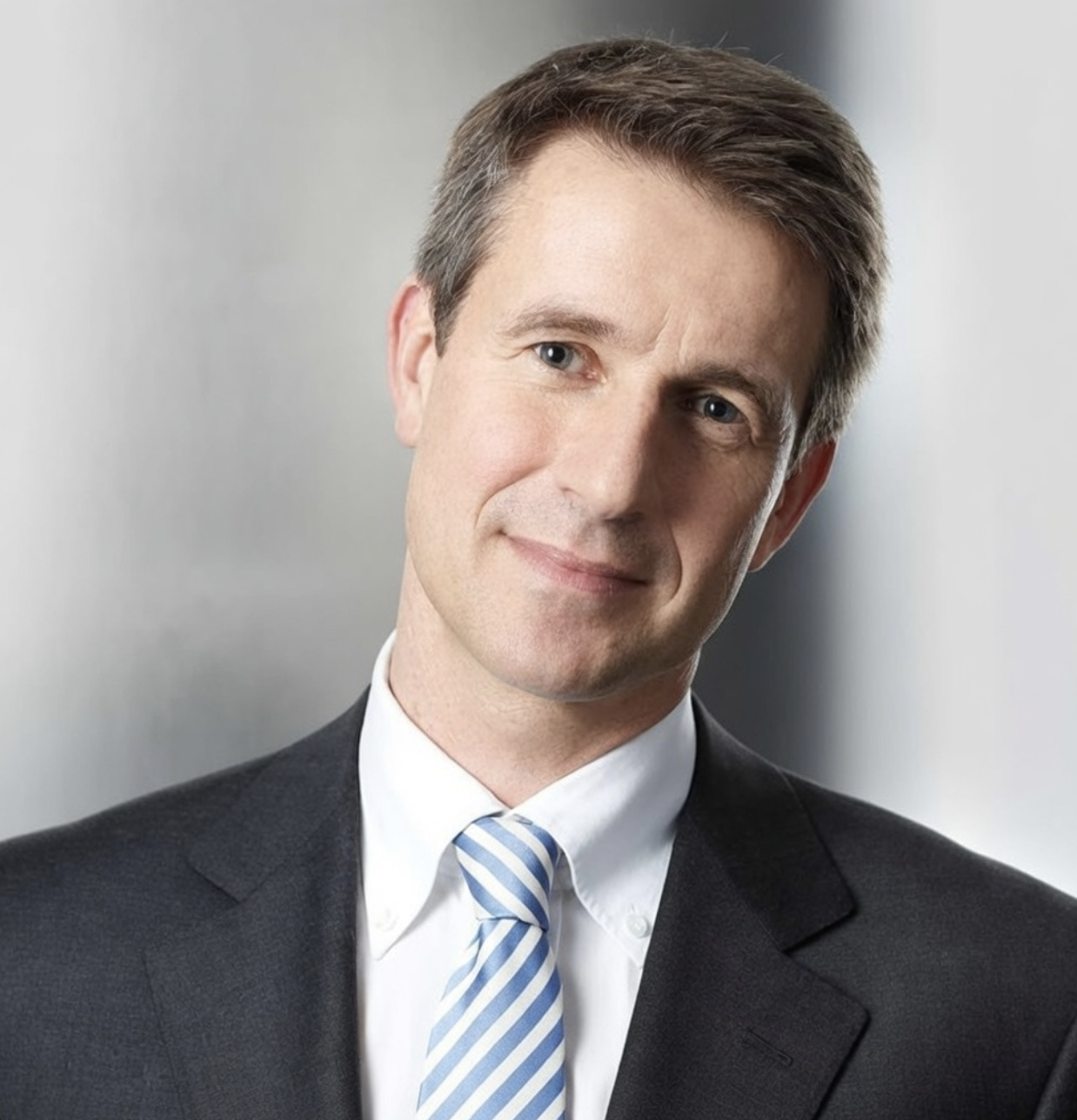
Stefan Quandt
b. 1966  ·  BMW Supervisory Board
Stefan Quandt

Son of Herbert Quandt. Holds approximately 29% of BMW Group, making him the company's single largest shareholder. Estimated net worth: approximately €18 billion. Has made no personal public statement on the wartime origins of the family fortune beyond the 2011 commissioned history. Does not give interviews.

Active — BMW Supervisory Board
Current Heir
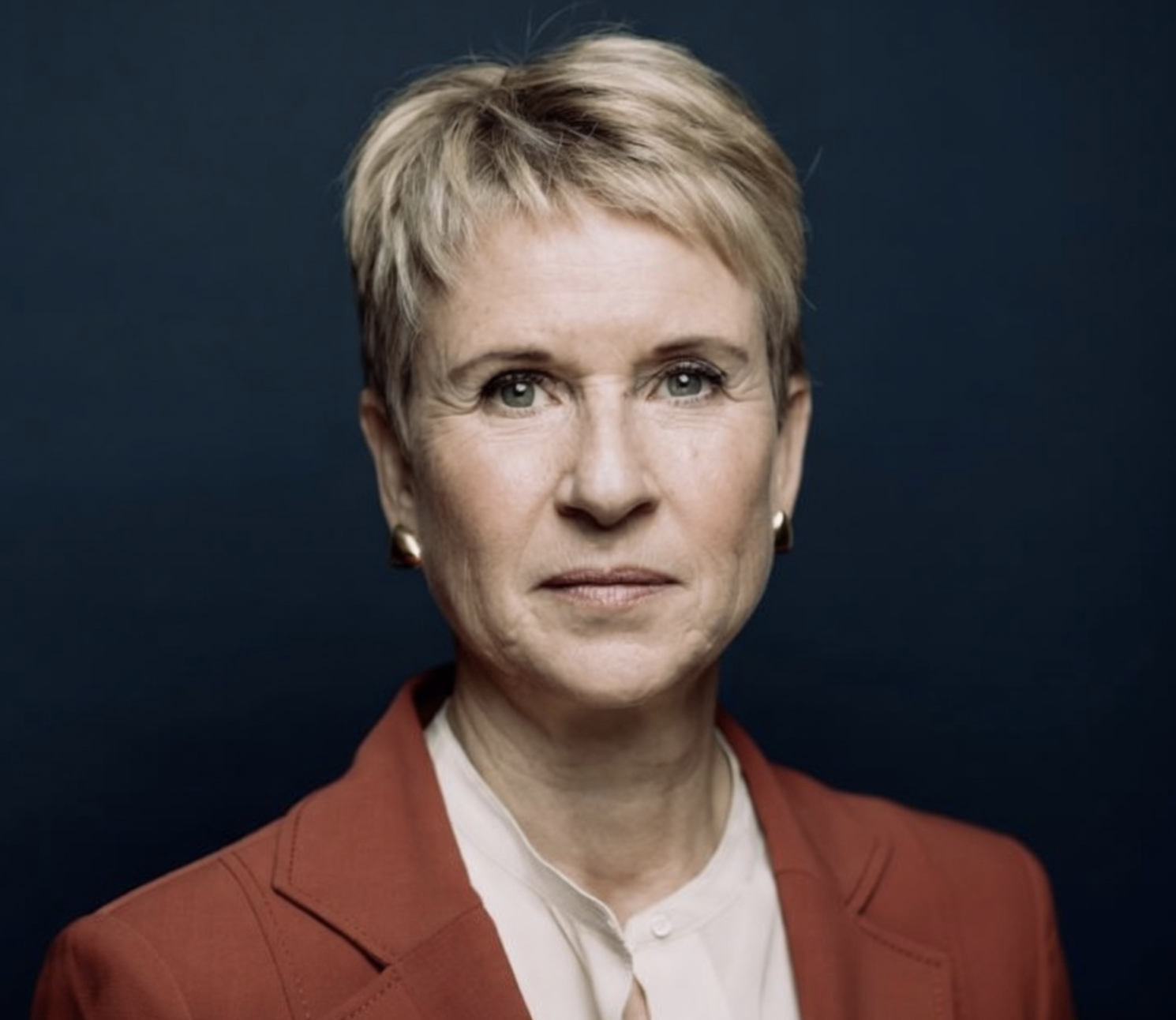
Susanne Klatten
b. 1962  ·  BMW & Altana AG
Susanne Klatten

Daughter of Herbert Quandt. Holds approximately 21% of BMW Group and a controlling stake in the chemicals group Altana AG. Estimated net worth: approximately €18 billion. Germany's wealthiest woman. Like her brother, she has made no personal statement on the wartime origins of the family fortune beyond the 2011 commissioned history.

Active — BMW & Altana AG
Historical Connection
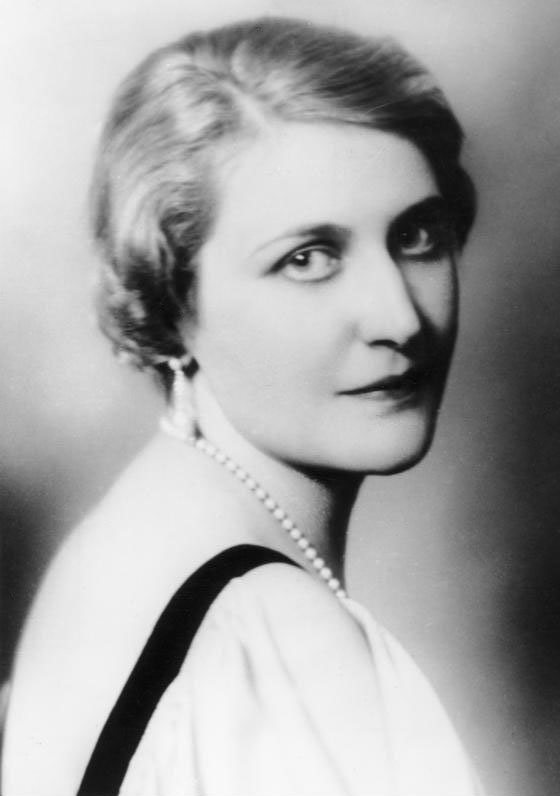
Magda Goebbels
1901 – 1945  ·  First ex-wife of Günther Quandt
Magda Goebbels

Günther Quandt's first wife and the mother of his son Harald. After their divorce she married Joseph Goebbels, Hitler's Minister of Propaganda, becoming the "First Lady of the Third Reich." This connection placed Günther Quandt in direct social proximity to the Nazi leadership. She died in the Berlin bunker in 1945 after killing her six children with Goebbels.

Deceased 1945
Corporate Entity
AFA / Varta
Est. 1888  ·  Battery Manufacturer
AFA battery works

The Accumulatoren-Fabrik AG — later rebranded as Varta — was the primary vehicle for wartime forced labour exploitation within the Quandt group. Its Hannover plant drew workers directly from the Neuengamme concentration camp system. Post-war, it was rebuilt and sold, with proceeds flowing directly to the Quandt heirs. Varta is today a publicly listed company.

Active — publicly listed (VARTA AG)

Archive & Source References

The documentary
record

German & Austrian Archives

  • Bundesarchiv Berlin-Lichterfelde — NSDAP membership files; SS industrial contracts; Quandt company records
  • Bundesarchiv Koblenz — Denazification proceedings files; Allied occupation economic records
  • Arolsen Archives (ITS) — Labour deployment records, Neuengamme satellite camps; transport lists; survivor testimony files
  • Institut für Zeitgeschichte, Munich — Third Reich industrial economy documentation; Quandt-related corporate files
  • Landesarchiv Hannover — AFA Hannover factory records; wartime labour registers

Allied & International Records

  • US National Archives, RG 260 (OMGUS) — Allied military government economic intelligence; denazification records
  • US National Archives, RG 238 — Nuremberg prosecution files; industrial war crimes documentation
  • UK National Archives, FO & WO series — British occupation economic intelligence on Quandt group
  • USHMM Archive, Washington D.C. — Forced labour documentation; corporate war crimes files
  • Yad Vashem Archive — Survivor testimony; perpetrator documentation

Corporate & Published Sources

  • Joachim Scholtyseck, The Rise of the Quandts (2011) — Family-commissioned history; used with critical analysis of scope limitations
  • ARD Documentary: The Silence of the Quandts (2007) — Key public exposure document; director: Eric Friedler
  • German Handelsregister (1930–1960) — Corporate registry filings establishing ownership continuity
  • German Foundation "Remembrance, Responsibility and Future" — Statutory compensation records; Quandt group classification
  • BMW Group Annual Reports — Current shareholding structure; Quandt family stake documentation

Note on archive access: The Quandt family's personal and corporate wartime archives are not open to independent researchers. The 2011 commissioned history was produced under conditions negotiated with the family and has been subject to criticism from independent historians for its scope limitations. This investigation draws on publicly accessible archives only. Requests for access to the Quandt family archive have not been answered.

Source verification: All claims in this profile are supported by primary documentary evidence held in the archives listed above. Sources are available for inspection. Correspondence regarding specific citations: [email protected]

silentfamilies.com