Friedrich Flick is the clearest case in this entire investigation of a man who was tried, convicted, and punished for war crimes — and who nonetheless died as one of the wealthiest people in West Germany, his fortune not merely intact but multiplied. The Allied tribunals convicted him. The clemency boards freed him. The West German economic miracle made him richer than he had ever been. And the question of restitution was settled, at least as far as the Flick family was concerned, with a single reported phrase: "no concern of his."
The Steel Baron and the Third Reich
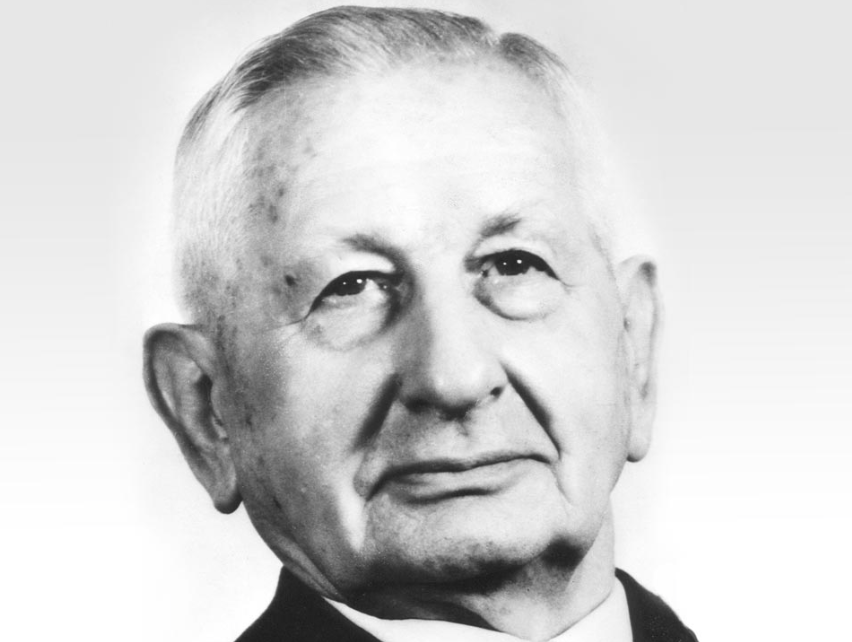
Born in 1883 in the Siegerland region of Germany, Friedrich Flick built one of the country's largest steel and industrial empires through aggressive acquisition and political connection. By the time the Nazi party came to power in 1933, Flick had already demonstrated a talent for adapting to whichever political wind was blowing. He had donated to multiple parties in the Weimar period. When Hitler consolidated power, Flick redirected his patronage accordingly — donating to the SS and cultivating relationships with Himmler, Göring, and other senior figures in the regime.
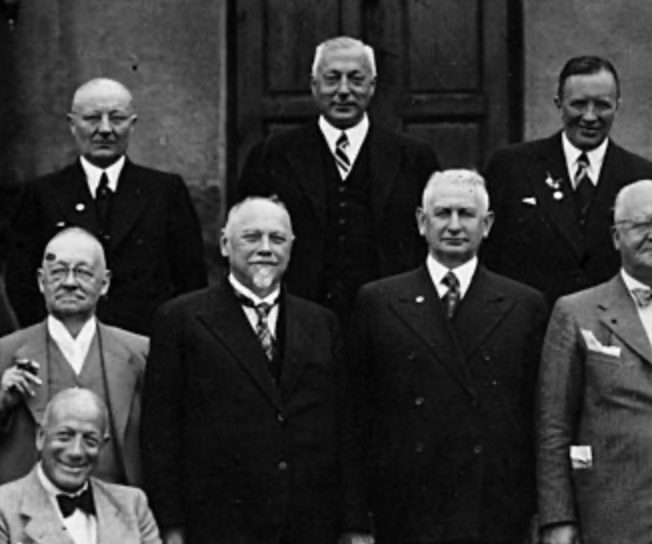
His reward was access. During the 1930s and 1940s, the Flick group acquired factories and assets across occupied Europe — in France, Belgium, the Soviet Union, and the annexed eastern territories — at forced-sale prices or simply through expropriation facilitated by the Nazi state. These were Aryanisation transactions: Jewish-owned businesses, industrial plants, and assets transferred to Flick's group through mechanisms that combined legal compulsion with outright seizure.
Slave Labour — The Documented Scale
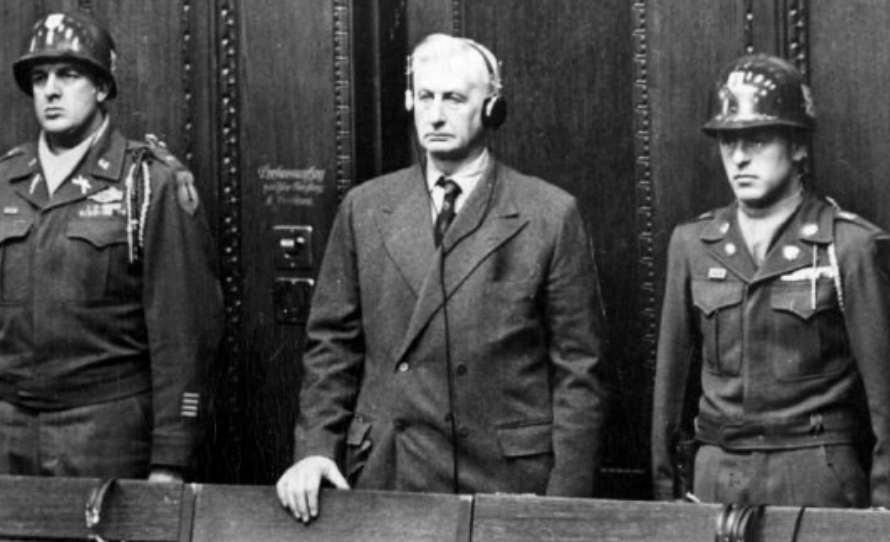
The Nuremberg Industrialists' Trial — formally the United States of America v. Friedrich Flick et al. — opened in 1947. The prosecution drew on captured German records to document that the Flick group had deployed concentration camp inmates and forced labourers drawn from across occupied Europe at its steel mills and armaments plants. Workers from Poland, the Soviet Union, France, and the concentration camp system itself were held in conditions that the prosecution described, using the company's own internal documents, as deliberately degrading.
Nuremberg judgment, 1947: Flick was convicted on counts of slavery and mass murder (use of forced labour) and spoliation (plunder of occupied territories). Sentenced to seven years' imprisonment.Flick was convicted and sentenced to seven years. He served three. In 1950, US High Commissioner John J. McCloy granted clemency to Flick and a number of other convicted industrialists, citing in part the changed geopolitical context of the early Cold War. The decision was controversial at the time and remains so. Flick walked out of Landsberg Prison in 1950 with his assets — which the occupation authorities had not confiscated — substantially intact.
The Post-War Reconstruction — and the Refusal to Pay
What followed is one of the most remarkable stories of wealth reconstruction in twentieth-century Germany. Using the industrial foundations that remained, Flick rebuilt his empire with remarkable speed during the Wirtschaftswunder. He expanded into new sectors, acquired stakes in Daimler-Benz, and diversified across the West German industrial economy. By the time he died in 1972, Friedrich Flick was estimated to be the wealthiest private individual in West Germany, with a fortune worth several billion Deutschmarks.
He paid nothing in voluntary restitution. When approached in the 1960s by organisations representing the survivors of his forced labour programme, Flick declined. His legal team argued, successfully for the purposes of German civil law, that his obligations under the Nuremberg judgment had been satisfied by the sentence he served. The survivors and their families received nothing from the man who had profited from their suffering.
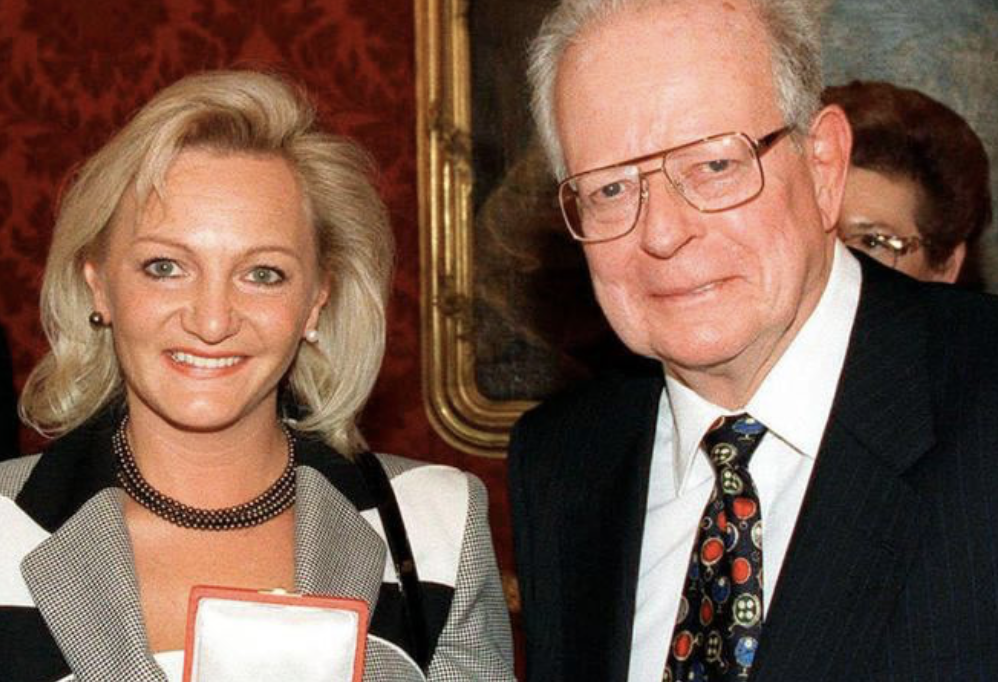
Friedrich Karl Flick and the 1985 Asset Sale
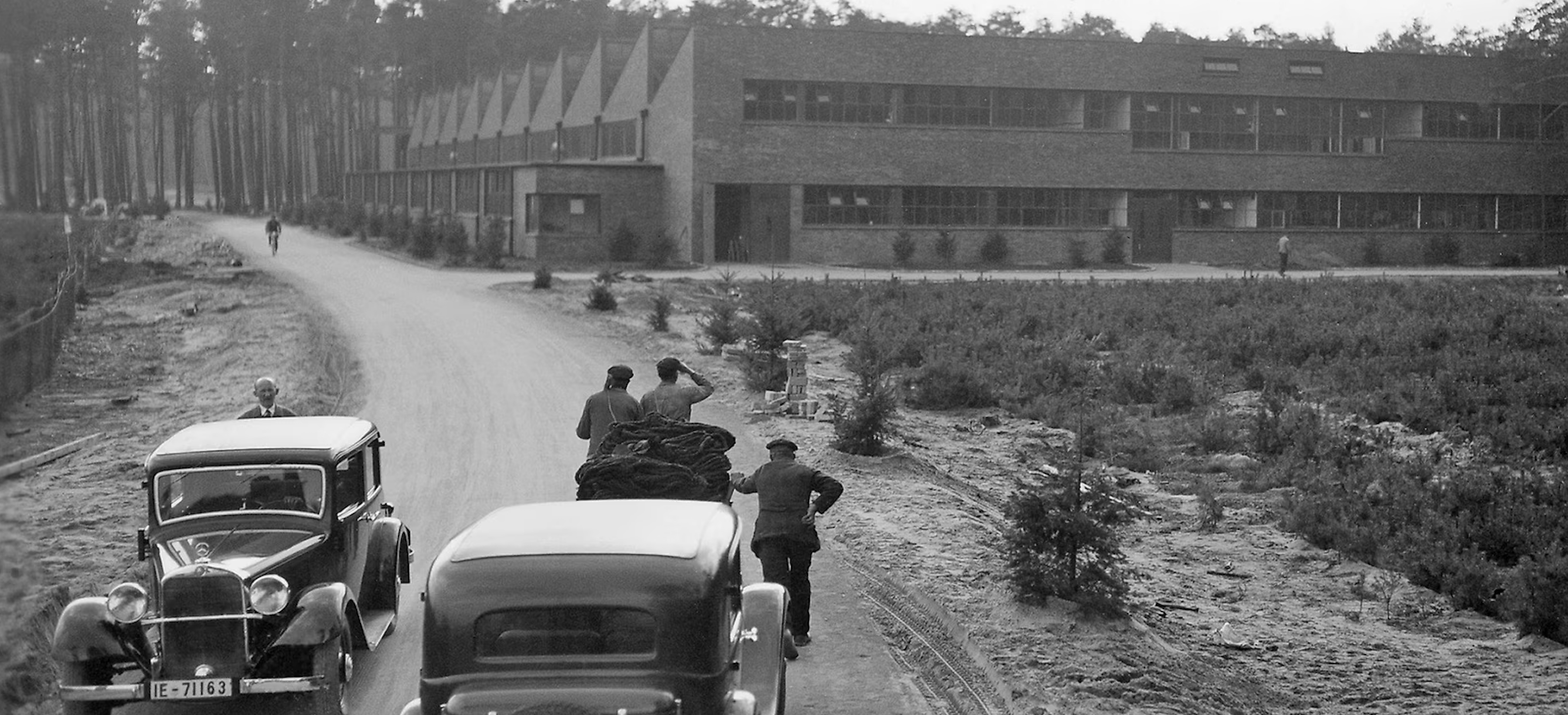
Friedrich Flick died in 1972. His grandson Friedrich Karl Flick inherited and managed the group, selling it in 1985 to Deutsche Bank for over five billion Deutschmarks — one of the largest private asset sales in German post-war history. The proceeds passed entirely to the Flick family. No portion was directed to the Foundation "Remembrance, Responsibility and Future" or to any successor restitution programme, because those programmes did not yet exist. When they were established in 1999–2000 and companies were invited to contribute, the Flick family — no longer corporate entities — were not legally required to participate.
Reported statement of Friedrich Karl Flick, c. 1985, on the question of Jewish restitution: "No concern of his." — The statement, though reported rather than formally documented, has never been denied by family representatives.Friedrich Karl Flick subsequently became a collector of contemporary art on a significant scale, establishing a private museum in Berlin. He died in 2006. The current generation of the Flick family maintains no public profile on the question of their inheritance. They have made no statement. They have answered no questions. The silence, like the money, has proved entirely durable.

Assessment
The Flick case is, in one respect, the simplest in this investigation: it is also the most complete. A man was tried, convicted at Nuremberg, served three years of a seven-year sentence, and proceeded to become the wealthiest person in West Germany. His heirs sold the empire he rebuilt for five billion Deutschmarks and have never, in any documented form, acknowledged any obligation to those whose labour, property, and lives built the original fortune. The Flick family represents the outer limit of what post-war impunity looks like when it is defended not actively but simply through silence.