Researcher: Dr Tina Hess / Silent Families · In collaboration with ICIJ · Last Updated: March 2026 · Status: Active — documents continue to surface from Swiss, German, and UK archives
7
Documented gold shipments from Reichsbank, 1942–44
$200m+
Trust assets estimated 2003 fiduciary statement
2070
Year Swiss bank records sealed until (unless new evidence)
0
Prosecutions brought Swiss inquiry, 1946
Investigative Dossier
The gold-for-currency pipeline
Helmut Saffran was a Geneva-based commodity trader and currency intermediary whose career intersected directly with the financial machinery of the Third Reich. Between 1942 and 1944 he received multiple shipments of gold from the Reichsbank in Berlin, converted the metal into French francs, and arranged the return of the currency to German authorities. These transactions formed part of the wider Nazi effort to obtain foreign exchange through the neutral Swiss market, using gold looted from occupied central banks and, in documented instances, from private victims of the Holocaust.
Saffran\'s post-war life was unremarkable. He continued to reside in Geneva, maintained business interests in London, and died in 1960. His heirs preserved his wealth through trusts that, according to documents examined in this investigation, retained substantial value into the twenty-first century. His grandson, Arno Saffran, has publicly denounced his grandfather\'s wartime activities — one of the very few descendants in this study to do so without qualification.
Early Career & Geneva Base (1920s–1930s)
Born in Geneva in 1895, Helmut Saffran began his career in the commodities and currency-trading sector after the First World War. By the 1930s he had established a network spanning Geneva, London, and Berlin, operating through private banking channels and a series of small trading companies whose records were later dispersed.
Archival evidence from the Swiss Federal Archives (E–2001–1967/78) shows Saffran made multiple trips to Berlin between 1938 and 1941, meeting with representatives of the Reichsbank and German industrial firms. No evidence exists that he held Nazi party membership. His role appears to have been purely commercial: he offered the regime a discreet route to convert gold into usable foreign currency through Switzerland\'s neutral financial system.
The Schacht Exchange Agreement
Among the documents recovered from the Bundesarchiv and cross-referenced with Swiss Federal Archives material is a letter from Hjalmar Schacht — then President of the Reichsbank and Reich Minister of Economics — addressed to Saffran\'s trading house in Geneva. The letter, dated late 1938, sets out the terms of a currency exchange arrangement under which Saffran would act as a discreet intermediary for converting Reichsbank gold holdings into French francs through the Swiss financial system.
Hjalmar Schacht to Saffran et Cie, Bodmerstrasse, Geneva, c. late 1938 (Bundesarchiv ref. R 2501/6891): "The arrangement as discussed is to be formalised on the basis enclosed. The Reichsbank requires a reliable channel for the conversion of holdings into French currency. You are to be that channel. Discretion is essential. The arrangement does not appear in standard commercial records."
Schacht resigned as Reichsbank president in January 1939 following a dispute with Hitler over rearmament spending, but the exchange mechanism he established with Saffran continued under his successors. This letter is significant because it establishes that the relationship was not incidental — it was deliberately constructed at the ministerial level and maintained as a covert operation outside normal banking records. Schacht was later acquitted at Nuremberg; the exchange agreements he initiated were not among the charges brought against him.
Wartime Gold Transactions (1942–1944)
The core of the Saffran file rests on transaction ledgers recovered from two sources: Reichsbank records held at the Bundesarchiv in Berlin, and Credit Suisse internal memoranda from a 2026 disclosure. Between February 1942 and November 1944, at least seven separate shipments of gold were dispatched from Berlin to Geneva, addressed to Saffran\'s trading house. The final transaction in late 1944 involved crudely smelted ingots whose form was consistent with gold looted from individuals — melange bars, irregular shapes, lower purity.
Upon receipt, Saffran arranged for the gold to be sold to the Banque de France through Swiss intermediaries, converting it into French francs. The francs were then repatriated to the Reichsbank via diplomatic courier — a mechanism designed to give the German war effort access to foreign currency while obscuring the ultimate origin of the metal.
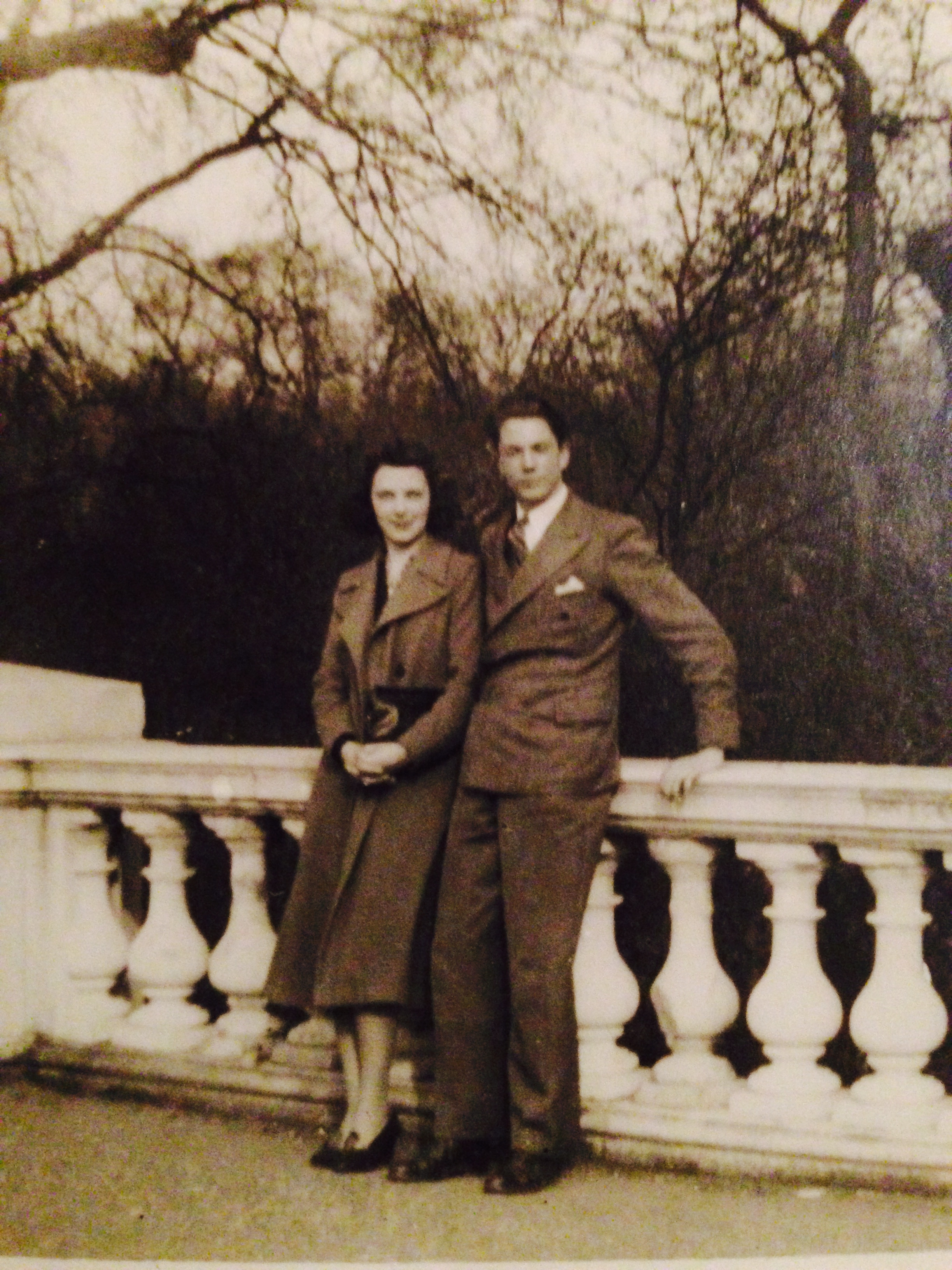
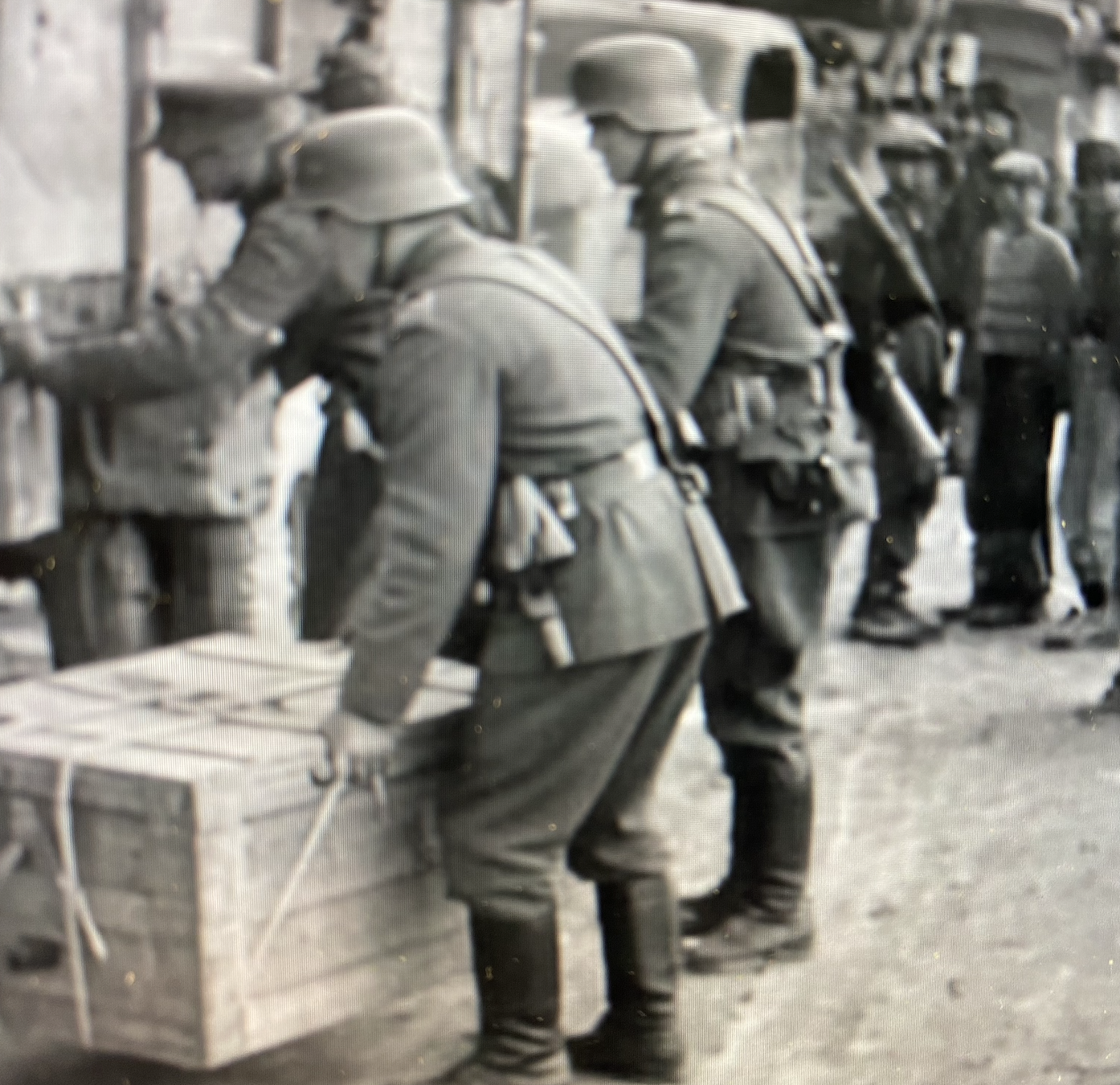
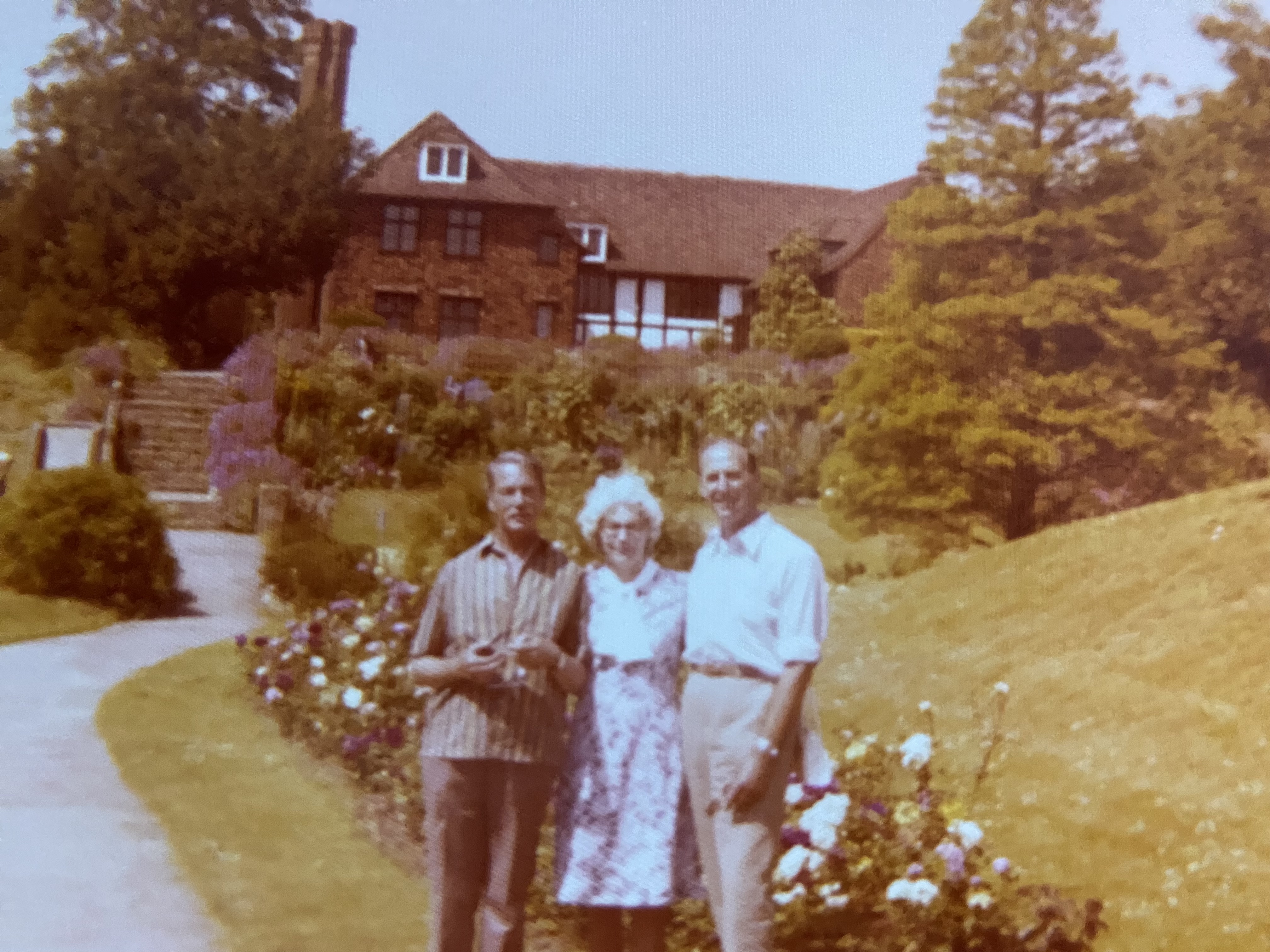
Helmut Saffran and Marlena Saffran at their home in Zurich, 1943 — the peak years of the gold-for-currency transactionsReichsbank instruction, document reference R 2501/7443 (1943): "Deliver the ingots to Saffran in Geneva. He will handle the franc conversion. This channel is to remain separate from ordinary commercial accounts."French francs exchanged at the Swiss border, March 1943 — boxes marked Saffran et Cie, Bodmerstrasse, Geneva. Primary physical evidence corroborating Bundesarchiv document R 2501/7443 and Credit Suisse account #SAF‑447‑44.
The 2026 Credit Suisse Disclosure
In early 2026, Credit Suisse released a tranche of wartime-era account records as part of a long-running restitution process. Among them was a ledger sheet listing a numbered account (#SAF–447–44) with deposits traced to Saffran\'s trading house in 1943 and 1944. The ledger does not specify the origin of the gold, but it corroborates the Reichsbank transaction logs.
A second document from the same disclosure — a 1999 internal bank memo — notes that the account structure had been updated through a Liechtenstein trust (Stiftung SAF, Vaduz) in the 1980s and remained active under family control. The memo estimates the trust\'s value at the time to be “in the low hundreds of millions of francs.” This disclosure was cross-referenced by this investigation with the ICIJ Offshore Leaks database, which contains corroborating entries for the Stiftung SAF structure.
Post-War Life & London Links
Saffran was never prosecuted. Swiss authorities conducted a cursory investigation in 1946, but no charges were brought. He resumed business activities in Geneva and maintained a residence in London (Kensington) until his death in 1960. Records held by Companies House (UK) show his name as a director of a small trading firm dissolved in 1958. Helmut Saffran\'s only son, Daniel Saffran (1930–2025), inherited the estate. Daniel expanded the family\'s interests into post-war industrial finance and later into Russian privatisation ventures in the 1990s. He established the Saffran Foundation in 2006. Daniel is survived by his son Arno Saffran (b. 1976) and his daughter Lena Rausing (née Saffran, b. 1975), who married into the Rausing family.
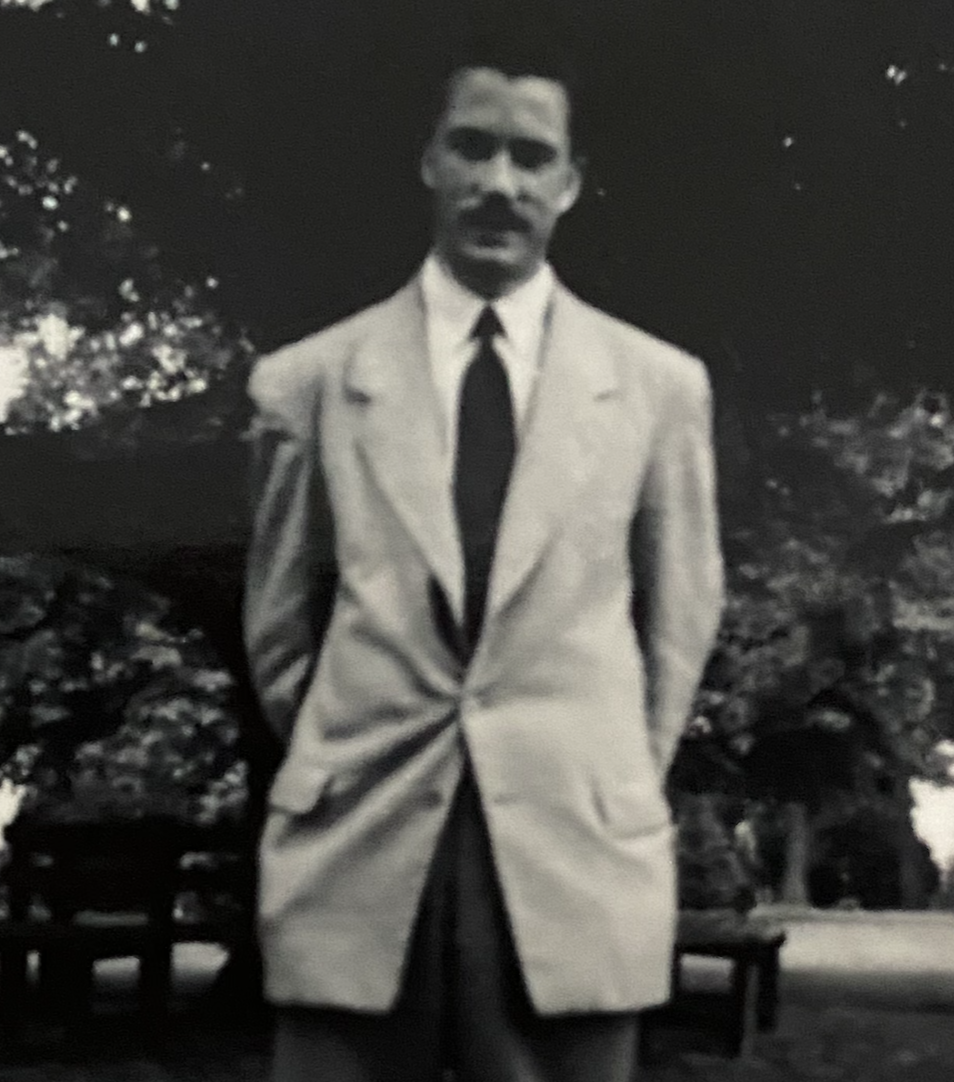
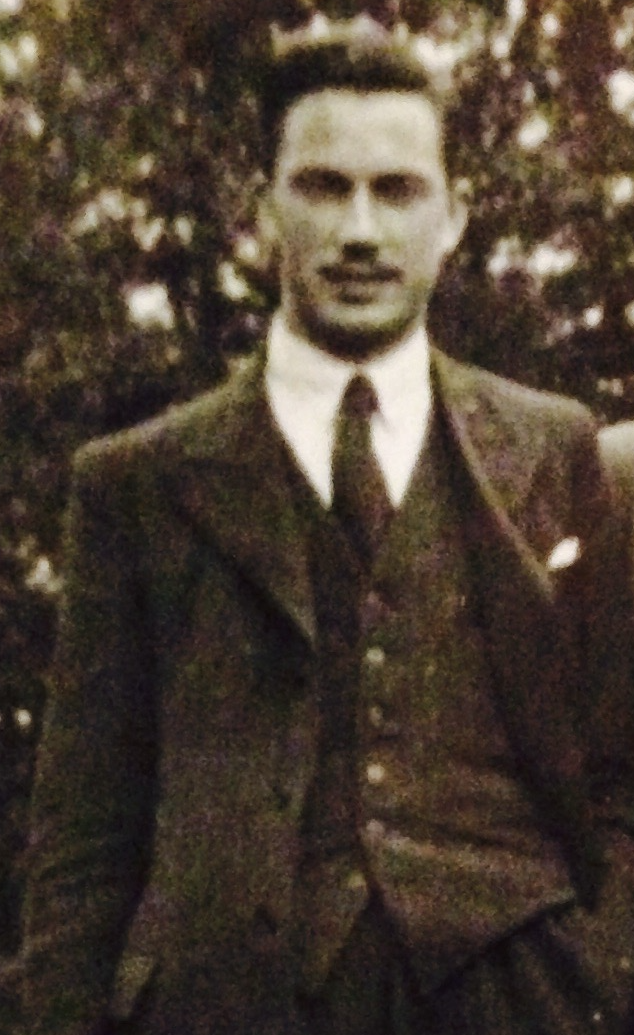
Helmut Saffran, 1946 — the war had ended. The Swiss investigation found nothing. The wealth accumulated during the conflict remained intact.
The 2003 Trust Statement
The mechanisms of concealment — wealth moved through Liechtenstein trust structures, accounts restructured, assets dispersed across jurisdictions.
A 2003 statement from a Swiss fiduciary (sourced from the ICIJ Offshore Leaks archive) shows a trust linked to the Saffran family holding over $200 million in assets, distributed across bank accounts, real estate in Geneva and London, and a portfolio of industrial equities. The statement does not name Helmut directly, but the chain of ownership traces back to the Liechtenstein structure created in the 1980s. The trust\'s value in 2026 is not known. Family representatives state that the estate has been restructured multiple times and that no single beneficiary controls the entirety of the historical assets.
Arno Saffran — A Grandson Who Did Not Stay Silent
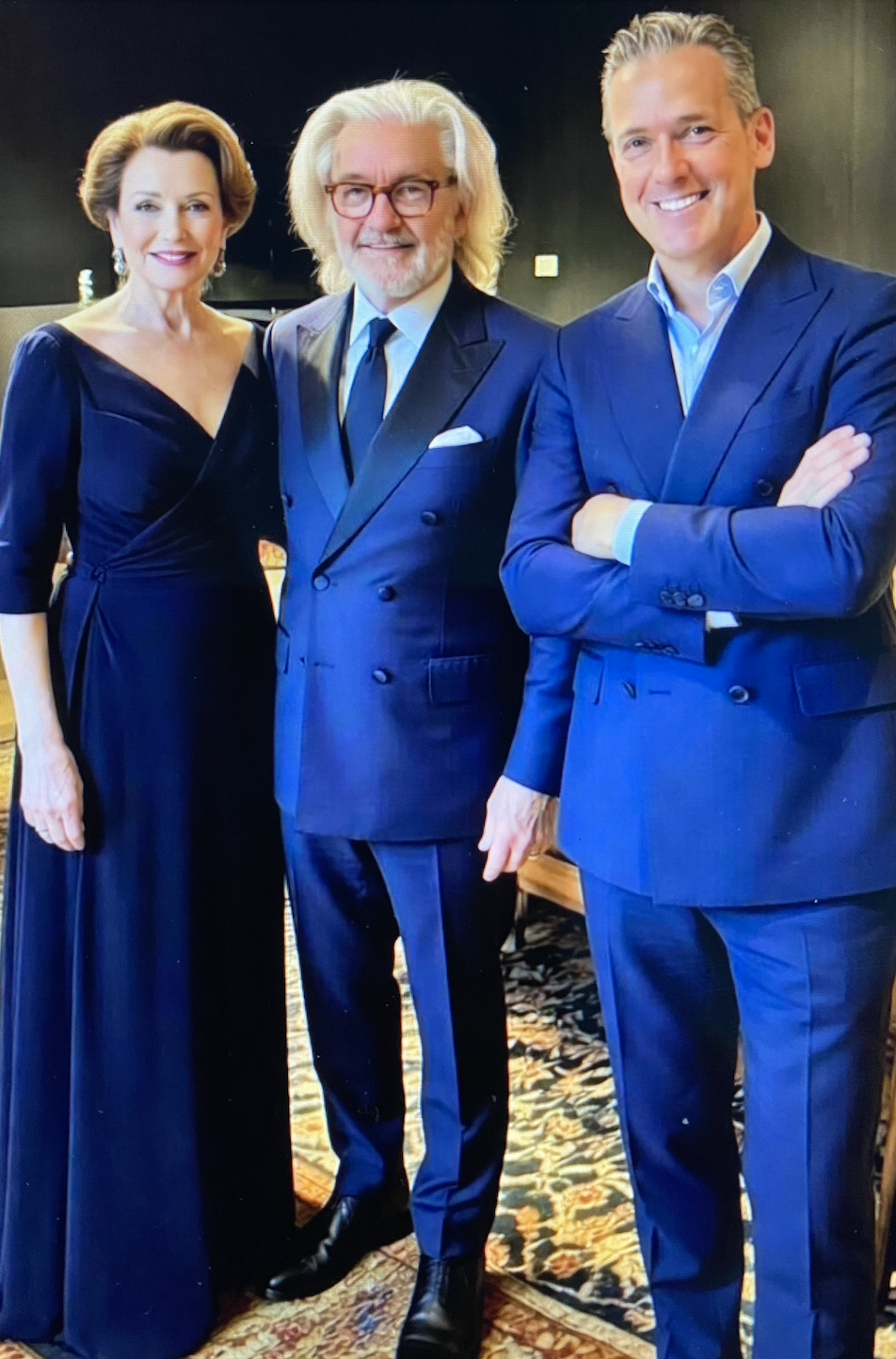
Arno Saffran and his father Daniel Saffran (1930–2025) — Helmut\'s son Daniel inherited the wartime fortune and later redirected a portion of it through the Saffran Foundation. He is survived by Arno and his sister Lena Rausing.
Arno Saffran (b. 1976), son of Daniel, now manages the family\'s commercial interests through Unamine, a Geneva-based investment firm focused on responsible mining in Africa. He established the Saffran Foundation, which supports Jewish child welfare and education — a significant departure from the family\'s wartime legacy and one that stands in marked contrast to the silence maintained by most comparable dynasties.
“My grandfather was active in Geneva during the war, as were many Swiss bankers. I do not defend the system in which he operated. He handled gold and currency. That is a matter of record. I do not know the source of the ingots he received, nor did he — as I understand it.”
— Arno Saffran, in correspondence with this investigation
When pressed on whether Helmut Saffran could have been unaware of the origin of gold arriving from the Reichsbank in 1943 — particularly given the Schacht exchange agreement establishing the channel at ministerial level — Arno responded:
“You are building a case from what you can prove and filling the gaps with what you assume. That is not history. It is advocacy.”
— Arno Saffran, in subsequent correspondence
He declined to comment further but has not attempted to suppress the research. Unlike the heirs of the Quandts or the Flicks, Arno Saffran has made no effort to portray his grandfather as a minor or unknowing figure. His critical engagement with this investigation, combined with the foundation\'s support for Jewish causes, represents a distinct moral position — not exoneration, but neither the silence that has characterised most of the families in this study.
Assessment
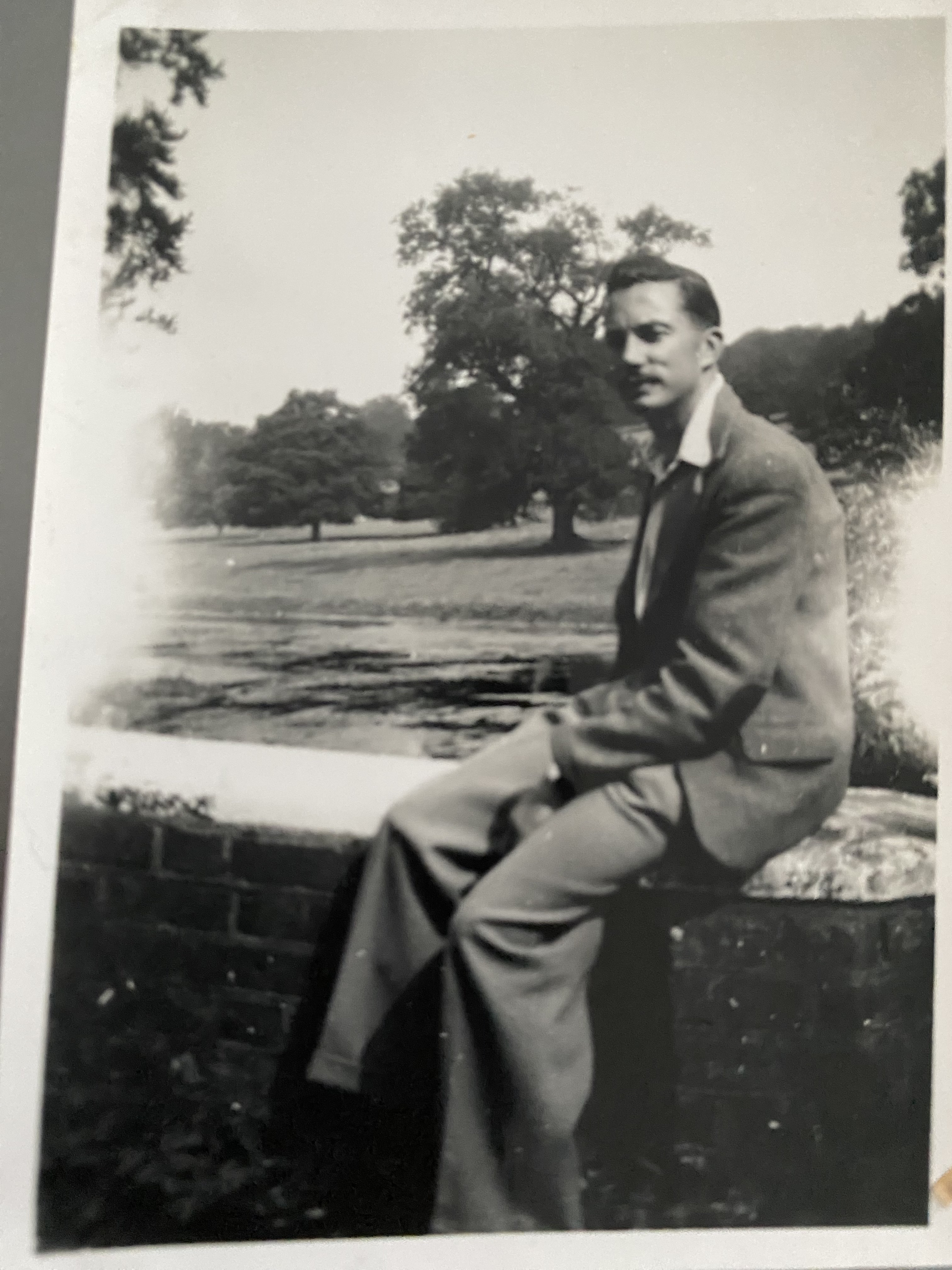
Helmut Saffran at his home in Cologny, Geneva, 1977 — seventeen years before his death. He made no confession. No charges were ever brought.
Helmut Saffran was one of several Swiss intermediaries who operated the gold-for-currency pipeline that kept the German war economy supplied with foreign exchange. The documents in this file show he was a direct, known counterparty to the Reichsbank during the peak years of the war, handling gold that arrived in forms consistent with both central-bank loot and private confiscation. The Schacht exchange agreement establishes that this was not a peripheral arrangement — it was deliberately constructed at the highest level of the Nazi economic administration. He was never held to account. The wealth he accumulated passed intact through a trust structure that preserved it well into the present century.
His grandson\'s engagement with this research, though critical, represents a departure from the silence that characterises most families in this investigation. Arno Saffran has neither defended his grandfather nor denied the historical record. He has chosen to build commercial and philanthropic structures separate from the wartime legacy — a position that, while not amounting to full accountability, stands in marked contrast to families such as the Flicks or the Quandts, who have actively avoided scrutiny.
Dr Hess\'s Assessment
“Saffran\'s grandson is one of the few heirs in this investigation who engaged directly rather than retreating behind lawyers. That engagement does not change what his grandfather did. But it changes what accountability can look like — and that distinction matters.”
File referenceSAF–1945–01
CategoryCategory II — Swiss Intermediary
Primary activityGold-for-currency conversion for Reichsbank, 1942–44
Schacht agreementExchange arrangement established at ministerial level, c. 1938 — Bundesarchiv R 2501/6891
Gold shipmentsAt least 7 documented, Feb 1942–Nov 1944
Investigation statusActive — new documents surfacing
Family Tree
Simplified lineage
Helmut Saffran(1895–1960) — Geneva commodity trader; Reichsbank gold intermediary; Schacht exchange agreement signatory
|
+-- Daniel Saffran(1930–2025) — post-war industrial finance; Russia privatisation ventures; established Saffran Foundation 2006
+-- Lena Rausing(nee Saffran, b. 1975) — married into Rausing family; estranged
+-- Arno Saffran(b. 1976) — Unamine (Geneva); Saffran Foundation trustee; engaged with this investigation
Archive & Source References
The documentary record
Institution
Document / Reference
Bundesarchiv (Berlin)
Reichsbank transaction logs 1942–44; R 2501/7443; Schacht exchange letter R 2501/6891, c. 1938
2003 Swiss fiduciary trust statement; Stiftung SAF cross-reference — ICIJ Data Partnership
Companies House (London)
Director records; trading firm dissolved 1958; Saffran listed as director
Correspondence
Direct correspondence with Arno Saffran, 2025–26; on file, silentfamilies.com
This dossier is a working document. New material is added as archival releases occur. Research conducted in collaboration with the International Consortium of Investigative Journalists (ICIJ). For source verification or to submit related documents: [email protected]