Profile — Dr Tina Hess
The baking powder brand
and the SS general behind it
The name Dr. Oetker is associated, in most households, with baking powder and frozen pizza. It is one of Germany's most recognisable consumer brands. Behind the domesticity of the branding lies a family history that includes SS membership at the highest levels, wartime profiteering, and a corporate fortune that expanded substantially during the Third Reich before becoming the foundation of a post-war conglomerate worth several billion euros.
Richard Kaselowsky and the SS
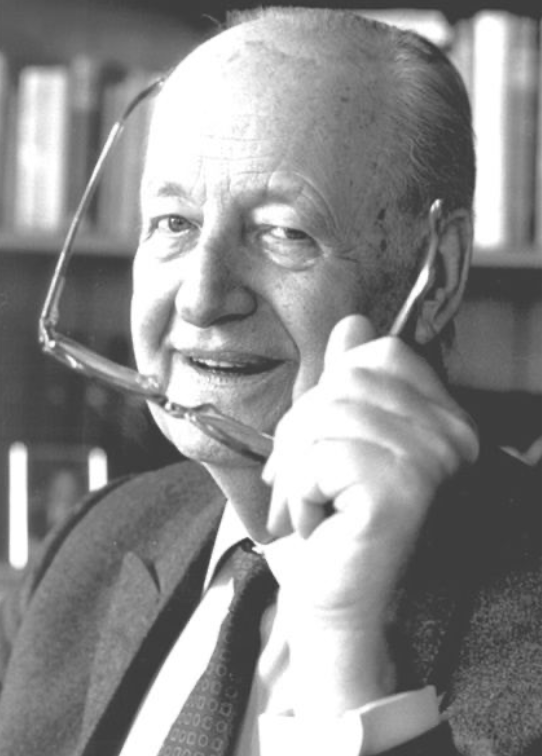
August Oetker founded the company in 1891. His daughter Ida married Richard Kaselowsky in 1913, and Kaselowsky became the dominant figure in the family business during the Nazi period. He was not a passive party member. Kaselowsky was an SS-Gruppenführer — a senior rank in the SS — and a devoted supporter of the Nazi regime. He maintained close personal relationships with Heinrich Himmler and was part of the circle of industrial patrons known as the Freundeskreis Reichsführer-SS (Circle of Friends of the Reichsführer-SS), a group of prominent businessmen who provided direct financial support to Himmler's operations.
The Freundeskreis Reichsführer-SS provided approximately one million Reichsmarks per year to Himmler's personal discretionary fund throughout the war period. Richard Kaselowsky was among its members. Source: Bundesarchiv, NS 21 series.Wartime Expansion and Forced Labour
The Oetker group expanded significantly during the war years, benefiting from the suppression of competition and the availability of forced labour. The company used foreign forced workers at its production facilities, as did virtually every significant German food manufacturer of the period. Kaselowsky died in an Allied air raid in 1944.
The Commissioned History and August Oetker's Response
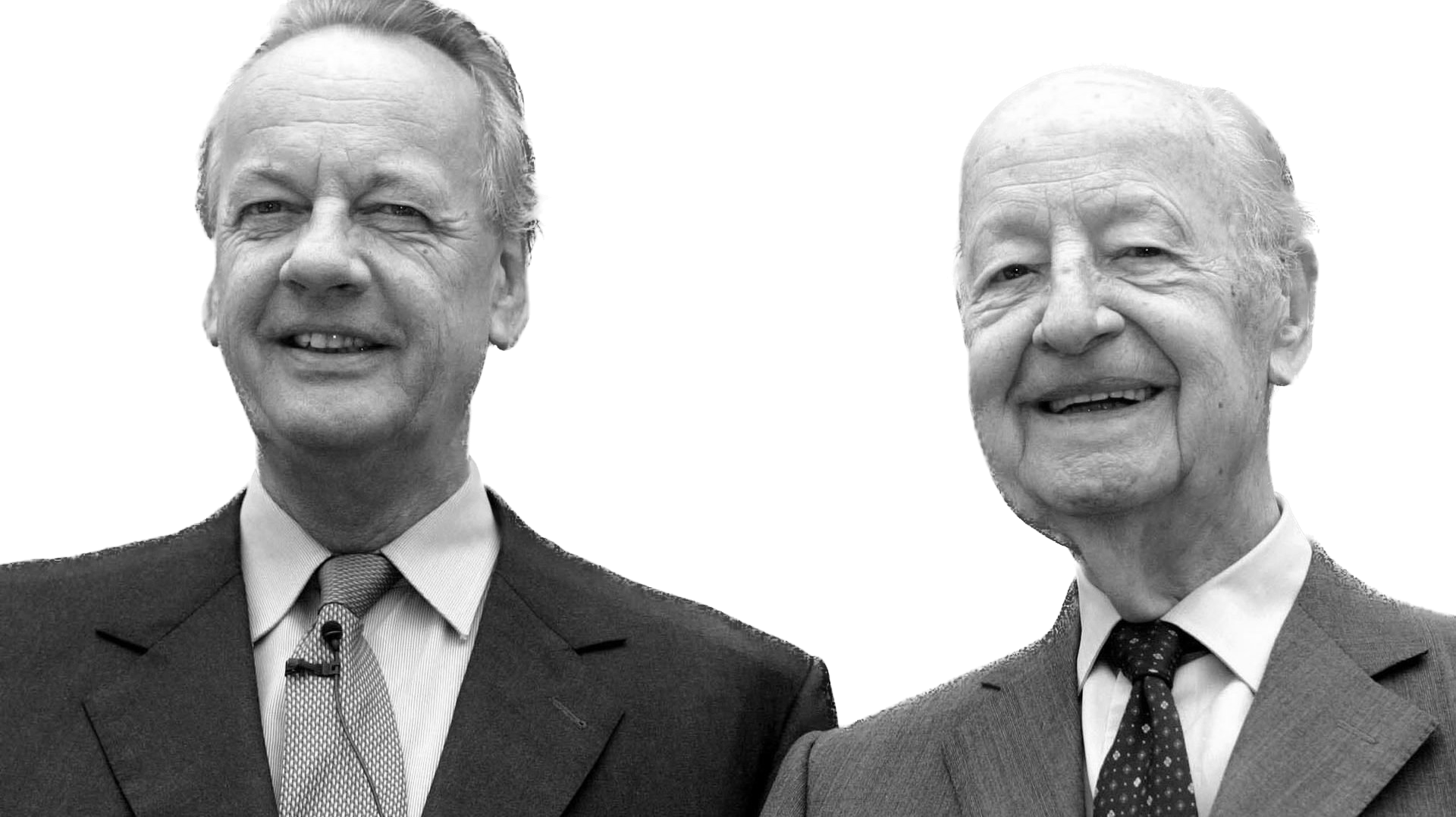
In 2013, the Oetker family commissioned an independent historical investigation into their Nazi-era past, conducted by the historian Dr. Jörg Lesczenski. The resulting work documented SS membership, the Freundeskreis connections, and forced labour use in detail. August Oetker, the current company chairman and heir, made a notable decision: he spoke publicly ahead of the book's publication, acknowledging the family firm's links to the Nazi party and expressing a willingness to engage with the history rather than suppress it.
This was unusual. Among the families studied in this investigation, almost none of the current generation have spoken voluntarily about their inheritance. Oetker's willingness to do so places the family in a different category from the Flicks or the Quandts — though the commissioned history was still produced on the family's terms, with the family controlling what access was granted, and the personal wealth trajectory of the Oetker heirs was not addressed within any of the public statements made.
Assessment
The Oetker case illustrates the limits of managed disclosure. The family commission a history, their chairman speaks to journalists, the book is published. But the questions of restitution — of what the forced labourers or their descendants are owed, of whether the wartime expansion of the family fortune at the expense of suppressed competitors and exploited workers carries any present-day obligation — are left unanswered. Partial disclosure is not full accountability. It is, however, considerably more than most.
Dr Hess's Assessment
"The Oetker family's decision to commission an independent history — and for its chairman to speak publicly ahead of its publication — sets it apart from most Category I families. That the review took until 2013, and that it required a historian to force the question, tells its own story."